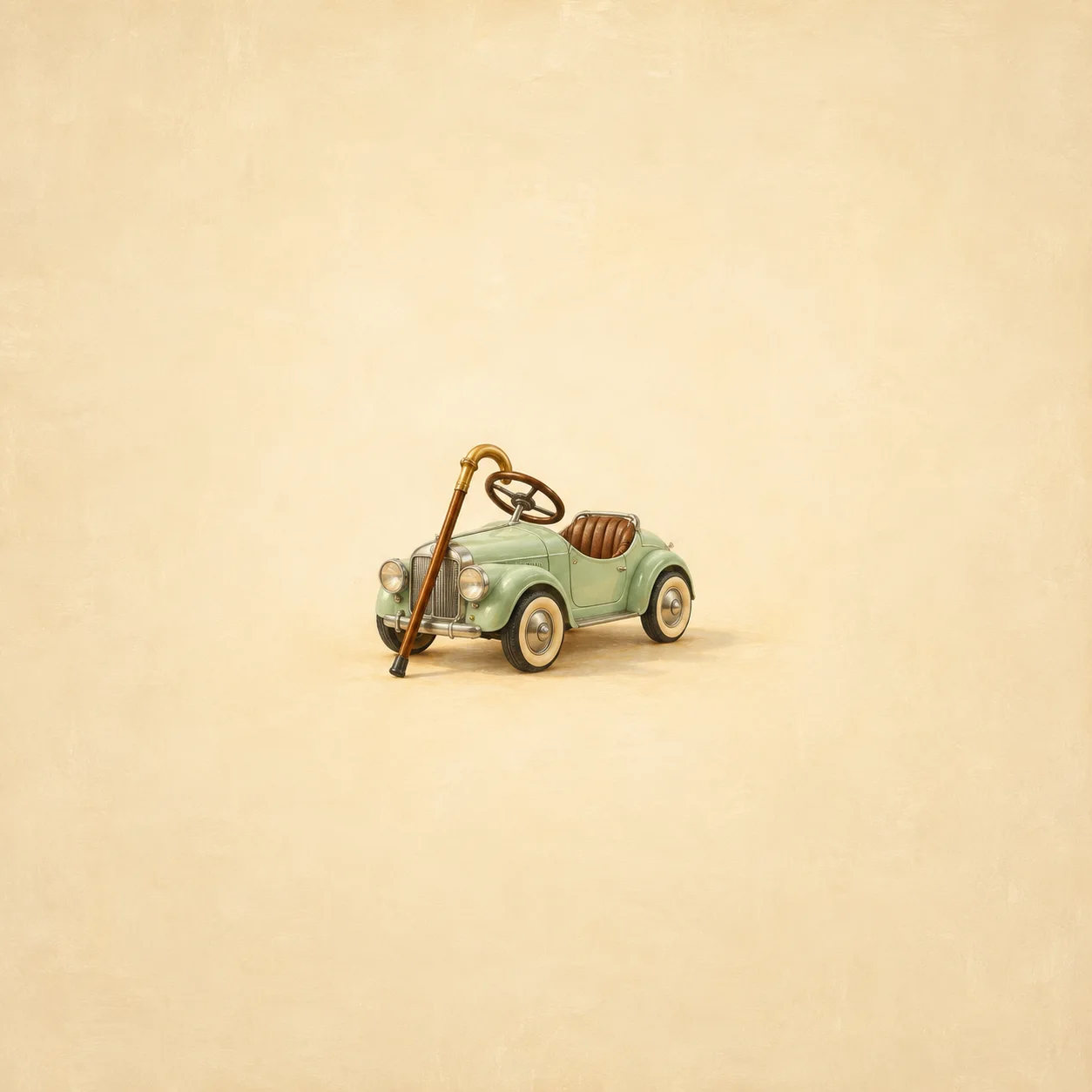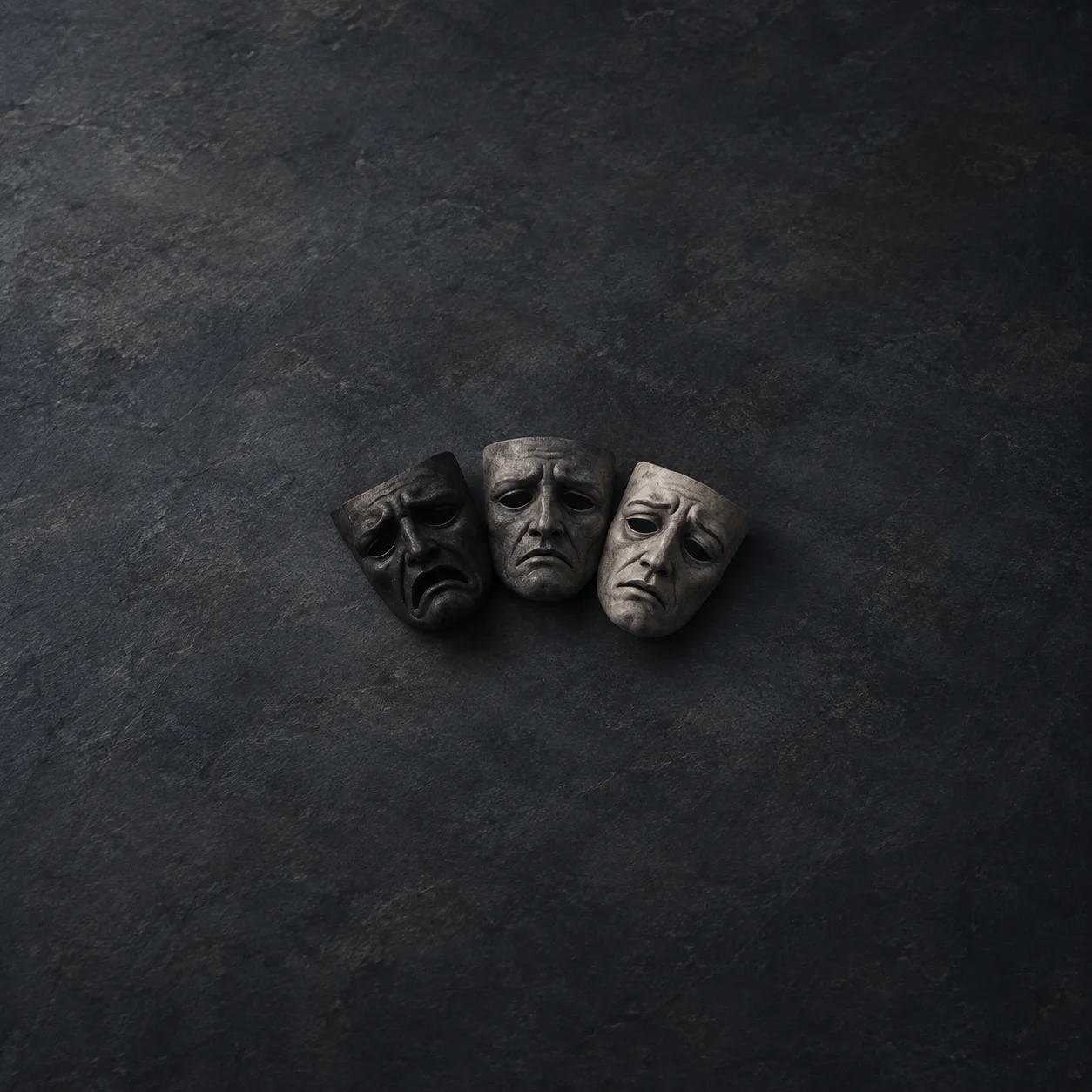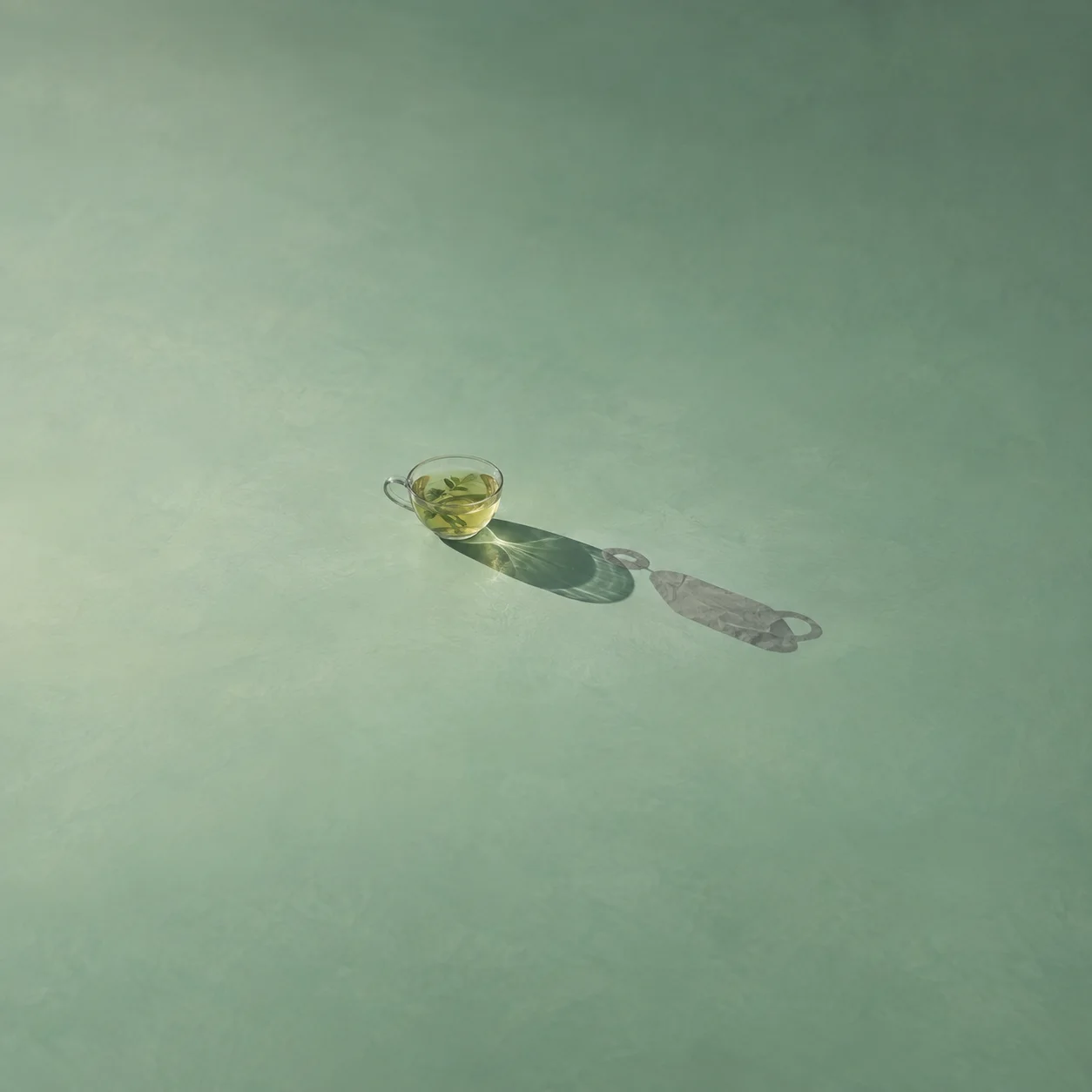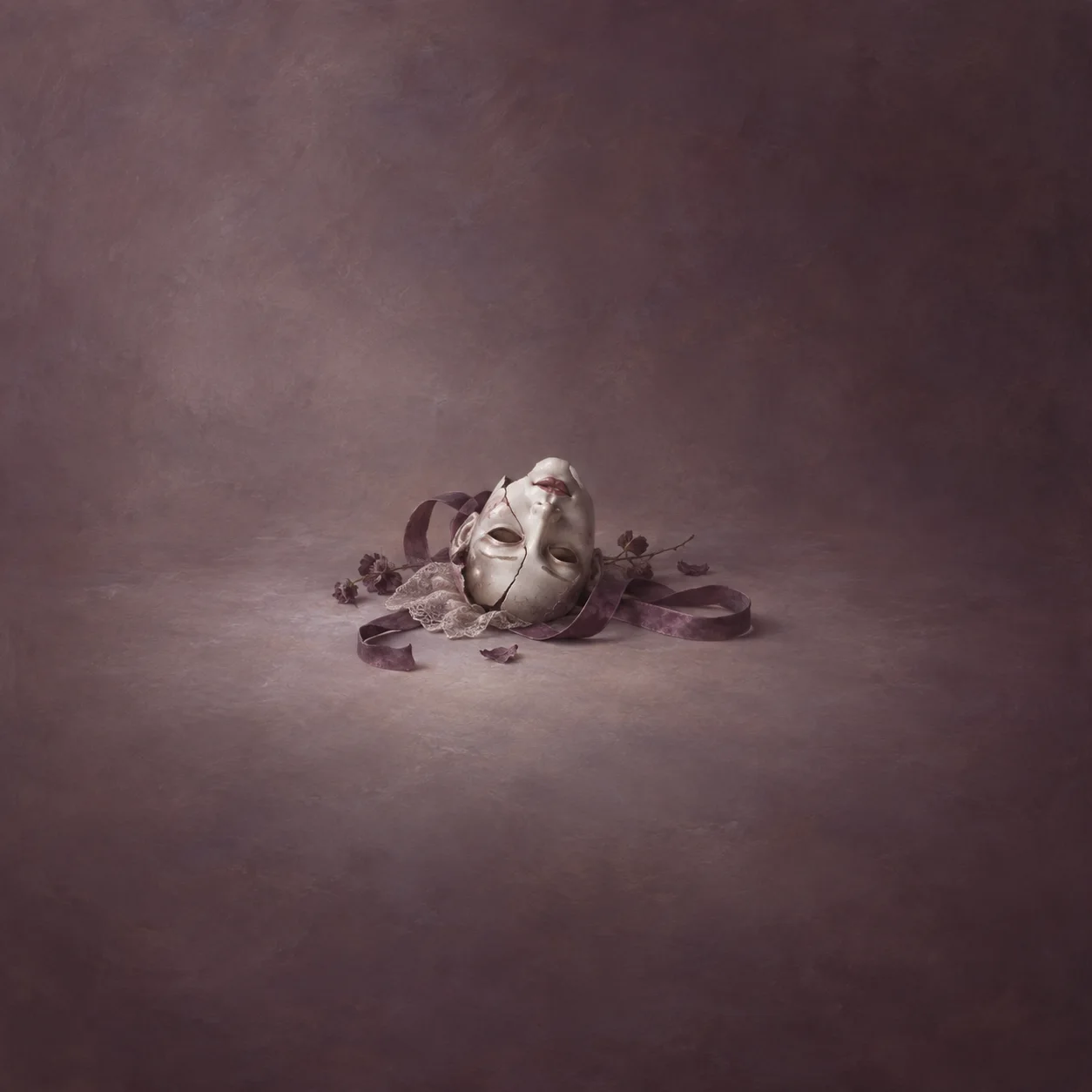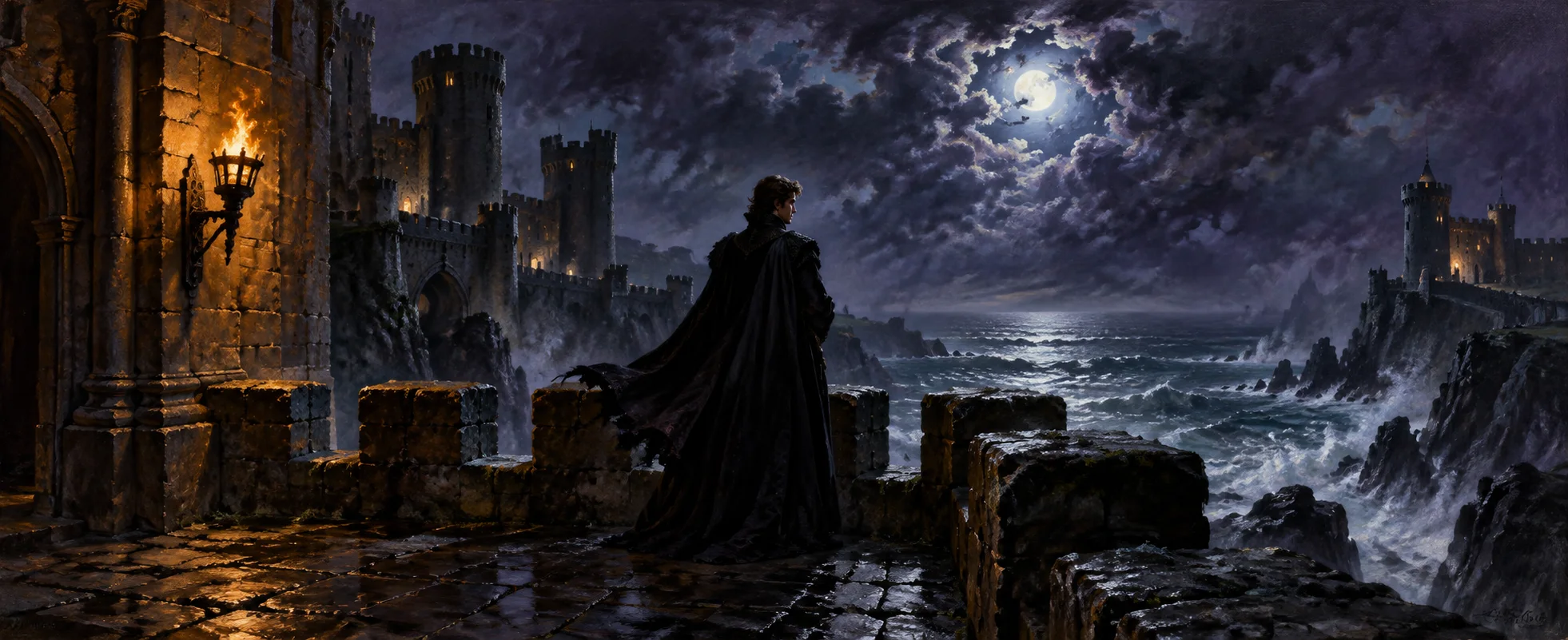
Original artwork, not a still
Hamlet • 1602
To be, or not to be: that is the question: Whether ’tis nobler in the mind to suffer The slings and arrows of outrageous fortune, Or to take arms against a sea of troubles, And by opposing end them?
Behind the line
What it means
Our interpretation.
Hamlet is asking whether it is braver to endure suffering or to end it, and the fear that stops him is not pain but not knowing what comes after. Four centuries on it is the most recognised line in English drama, the default gesture for an actor with a skull, and a stock phrase for any hard either-or. Its words keep turning up as titles: The Undiscovered Country and What Dreams May Come both come from this speech.
Context reviewed
In context
Spoilers for HamletShow the scene
In Act 3, Scene 1 of Hamlet, Prince Hamlet comes onto the stage reading and talking to himself, weighing whether it is nobler to endure life's blows or to end them, and what dreams might follow death. He believes he is alone. In fact Claudius and Polonius are hidden nearby, spying on him, and Ophelia waits on stage with a prayer book, planted there as bait. The soliloquy ends when Hamlet notices her and the so-called nunnery scene begins. The words exist in three early texts: a garbled First Quarto of 1603, the Second Quarto of 1604 and the First Folio of 1623.
Sources (2)
- Wikipedia: To be, or not to beintro and First Quarto (1603) sectionReference checked
- Wikipedia: To be, or not to beInterpretation and in popular cultureReference checked
Context reviewed