Marry me.
Charlie Mackenzie
Themes quotes
Showing 153 of 1708 quotes.
Marry me.
Charlie Mackenzie

I love you.
Leia

Gotta dance!
Broadway Melody
War is hell.
William Tecumseh Sherman

As you wish.
Westley

Just breathe.
Danielle

I'm a hacker!
Lex

Sack the lot!
John Arbuthnot Fisher

I’ll be back.
The Terminator
Come get some!
Ash
I'm dead sexy!
Fat Bastard

Here's Johnny!
Jack Torrance

Hang in there.
Sully

Inconceivable!
Vinzinni

He's dead, Jim.
McCoy

Simma down now!
Cheri Oteri

Make 'em laugh!
Cosmo

He took it OUT.
Elaine

Illinois Nazis.
Elwood Blues

Fly, you fools.
Gandalf

I know kung fu.
Neo

Is this heaven?
Shoeless Joe Jackson

I am not a gun.
The Iron Giant

I hate Mondays.
Jim Davis

You're no daisy.
Doc Holliday

You fat penguin!
Elwood

I know Jack Shit
An editorial interpretation.
The crude idiom admits knowing very little. Its apparent name is part of the expression; the short line supplies no actual person to identify.
Context reviewed

Aloha, Mr. Hand.
Jeff Spicoli

You complete me.
Jerry Maguire

I love you Sissy!
Bud

Winter is coming.
Eddard Stark

Error has no end.
Robert Browning

You only die once!
Ally

She had man hands!
Jerry

I am an FBI Agent!
Johnny Utah

Love conquers all.
Virgil

Off with his head!
William Shakespeare
We crashing again?
Zoe

Accept loss forever
Jack Kerouac

Better you than me.
Animal

Because it's there.
George Leigh Mallory

How much is enough?
Bud

Lunch is for wimps.
Gekko

Strength and honor.
Maximus
Nothing to be done.
Samuel Beckett

Great Odin’s raven.
Ron Burgundy

There you go again.
Ronald Reagan
Job's not finished.
Kobe Bryant

I do not fear death.
Aragorn

How am I not myself?
Brad Stand

We'll never survive.
Buttercup
Rosebud...Rosebud...
Kane

People? I am people.
Lina

Use the force, Luke.
Obi Wan Kenobi

I'd rather eat dirt!
Sammy

You are all weirdos!
Sam the Eagle

The Play's The Thing
William Shakespeare

This too shall pass.
Hebrew saying

Waste not, want not.
English proverb (18th c.)

Ambition has no risk.
Edward George Earl Bulwer-Lytton

Americans never quit.
Douglas MacArthur

I am not the Messiah!
Brian

I'm your huckleberry.
Doc
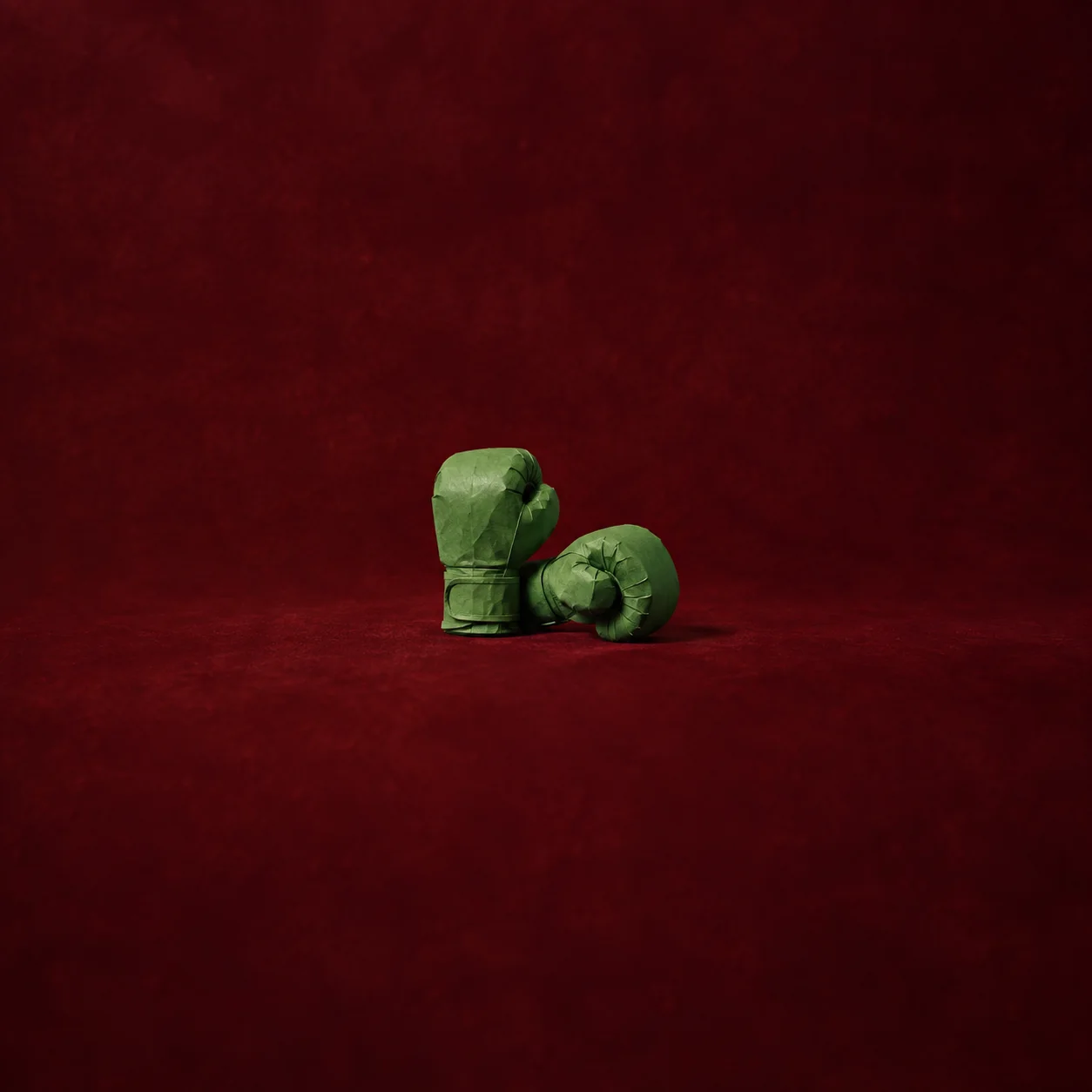
Taste my pain, bitch!
Hansel

By the beard of Zeus.
Ron Burgundy
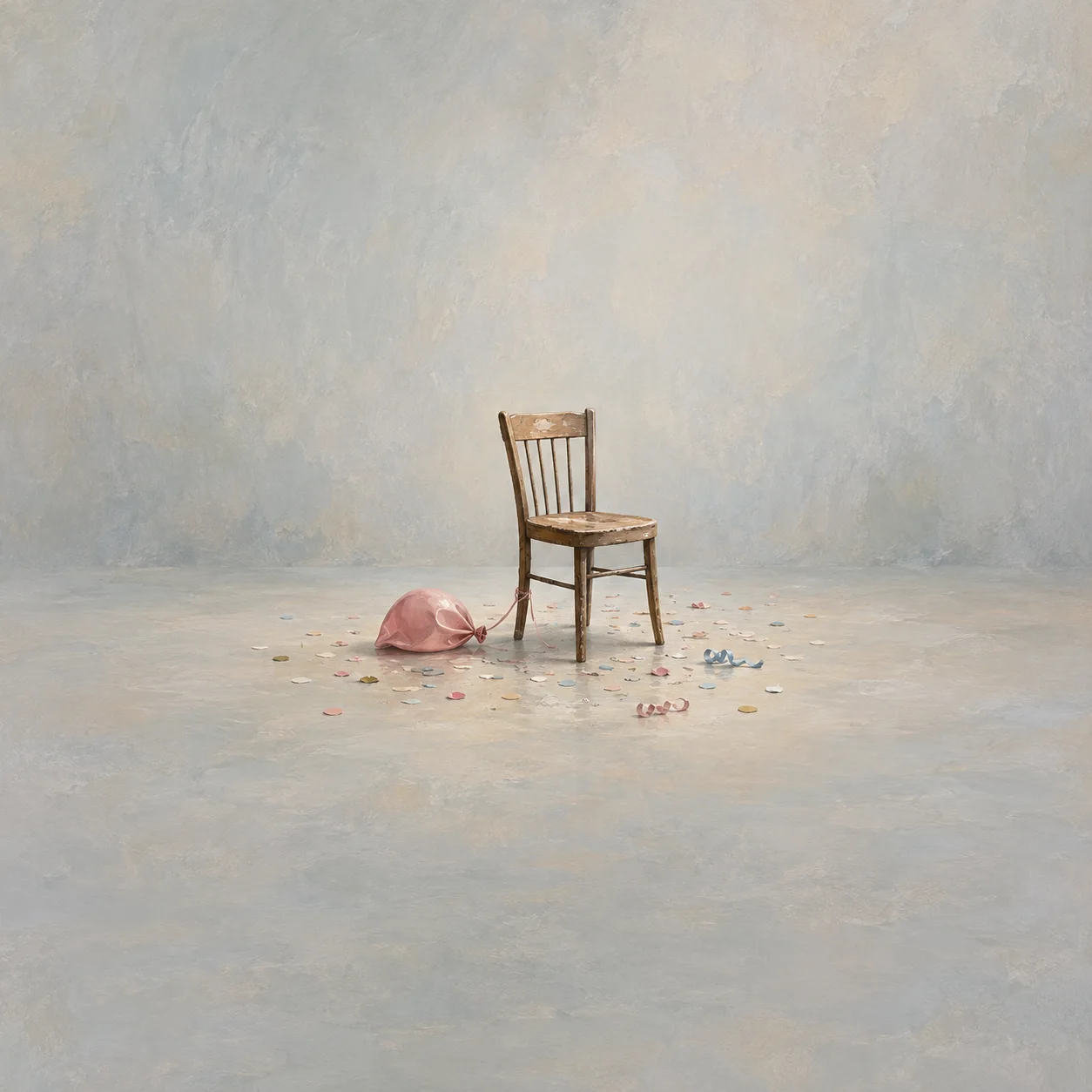
I am not a merry man!
Worf
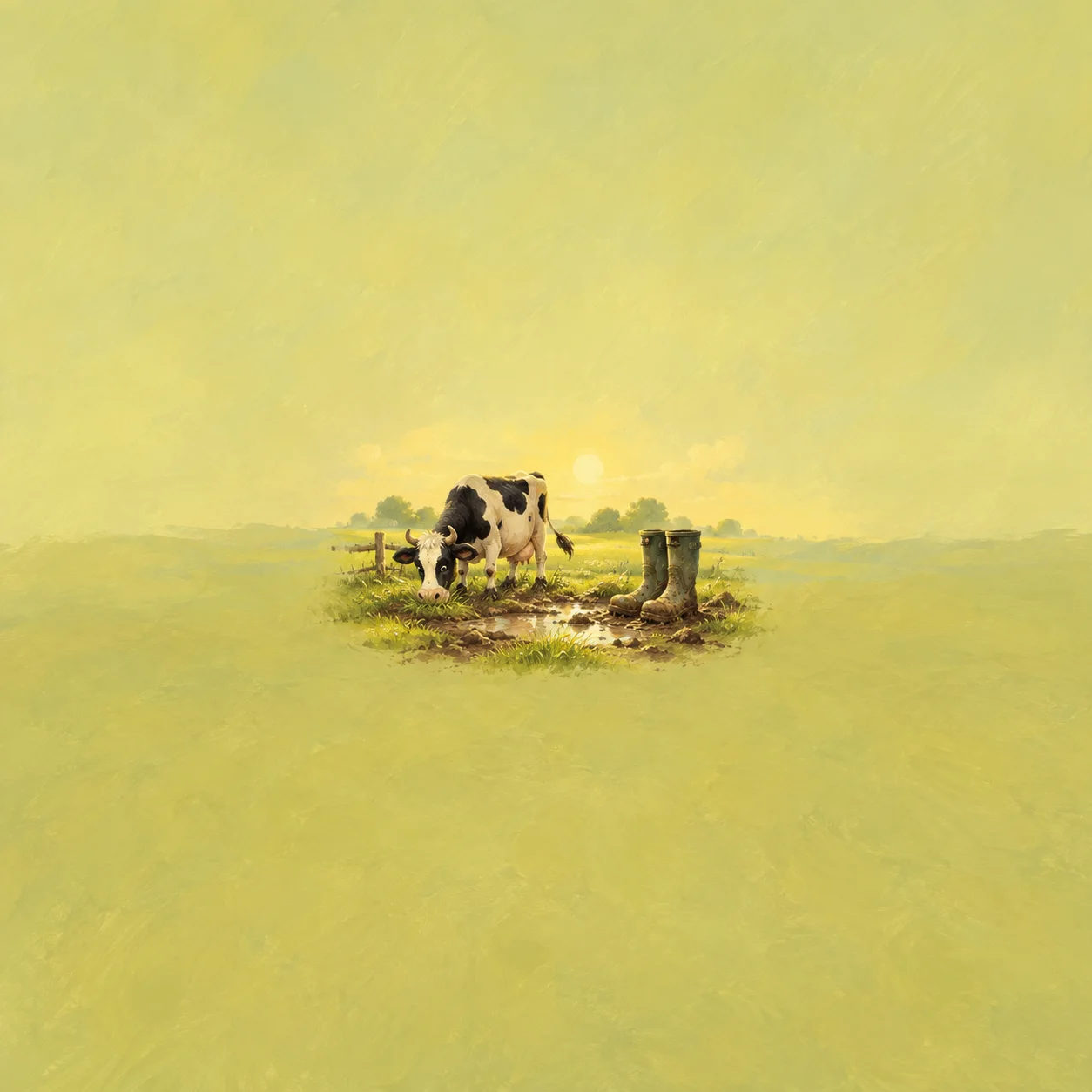
Don't have a cow, man.
Bart

Aim small, miss small.
Benjamin Martin

There can be only one!
Connor MacLeod

Oh no! You need booze!
Dr. Nick
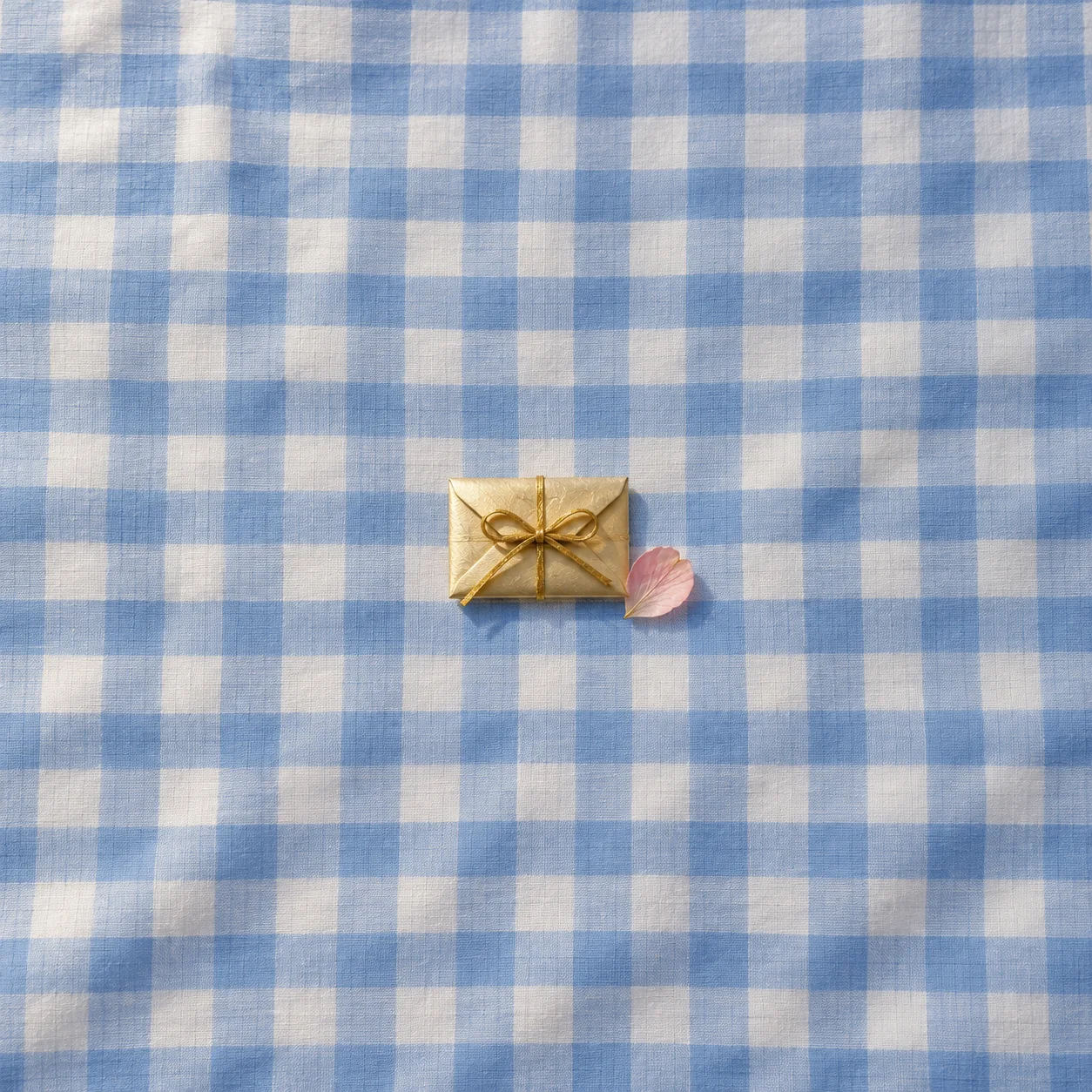
I live for liking you.
Duckie

Don't dream it, be it.
Frankie

Nobody tosses a dwarf.
Gimli

Don't pitch the bitch.
Greg Weinstein

Laugh it up, fuzzball.
Han

Go ahead, make my day.
Harry Callahan

Can't talk ... eating.
Homer

Flanders was a zombie?
Homer

I was adored once too.
William Shakespeare
Marsha Marsha Marsha!!
Jan

I want my two dollars!
The Paperboy
Time eases all things.
Sophocles

Visualize being towed.
sign outside California meditation center

Goody! Research party!
Willow

Gimmie some sugar baby.
Ash
I carried a watermelon.
Baby

Show Dick some respect.
Bender

I’m not an ambi-turner.
Derek Zoolander

Freedom is from within.
Frank Lloyd Wright

Is this a kissing book?
Grandson
Never tell me the odds!
Han Solo

God bless those Pagans.
Homer

Hello, I'm Johnny Cash.
Johnny Cash

O! I am Fortune’s fool.
William Shakespeare

O! I am Fortune's fool.
William Shakespeare

I’m not quite dead yet!
Old man

Poor man. Poor mankind.
William Faulkner

Peachy keen, Jellybean.
Rizzo

Sweet Lincoln's mullet.
Ron Burgundy

Tell me about it, stud.
Sandy

Thespians do it on stage.
An editorial interpretation.
A cheeky slogan playing on 'do it': performers act on stage, while the phrasing invites a suggestive double meaning.
Context reviewed

No man defines who you are.
An editorial interpretation.
The line rejects the idea that a man has the authority to determine another person’s identity.
Context reviewed

Keep honking! I'm reloading!
An editorial interpretation.
A menacing joke answering a honking driver by claiming to be reloading a weapon, turning road irritation into a threat.
Context reviewed

Guns don't kill people. I do.
An editorial interpretation.
A dark twist on a familiar slogan: instead of blaming people rather than guns, the speaker claims to be the one who kills, in a menacing joke.
Context reviewed
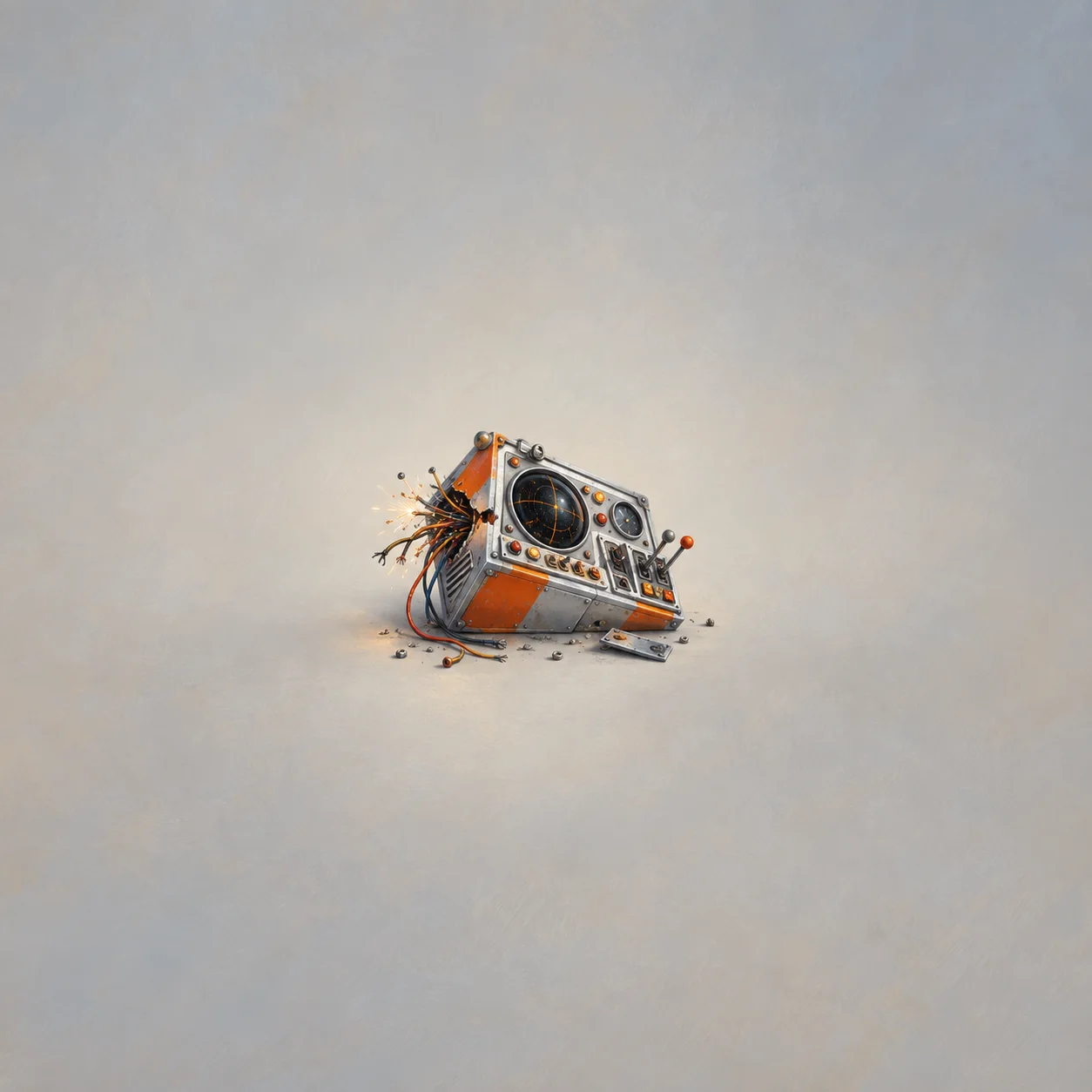
Who lit the fuse on your tampon?
An editorial interpretation.
A crude taunt aimed at someone's explosive temper, asking what set them off while sneering that their anger is down to their period.
Context reviewed

Friends help you move. Real friends help you move bodies.
An editorial interpretation.
The familiar favour of helping someone move turns into a dark joke about moving bodies. It pushes loyalty into a sinister extreme; the saying is not practical advice or evidence of an actual crime.
Context reviewed

24 beers in a case, 24 hours in a day, coincedence? I think not.
An editorial interpretation.
Matching the number of beers in a case to the hours in a day is used as a mock argument for a connection. The coincidence joke supplies no sensible schedule for drinking.
Context reviewed

Is it hot in here, or is it just you? Advert for website dobedo in the UK
An editorial interpretation.
The question uses heat as a flirtatious comparison for the other person’s attractiveness. It offers a compliment rather than a measurement of temperature. The final line retains the advertisement note.
Context reviewed

Mistakes are painful, but they’re the only way to find out who you really are.
An editorial interpretation.
Errors hurt, yet the speaker sees them as the only route to discovering your true character.
Context reviewed

I heard that milk does the body good, but damn! How much did you drink? t-shirt
An editorial interpretation.
The pickup line turns the saying about milk doing the body good into an exaggerated compliment about the addressee. It is flirtation rather than a measured claim about diet or a body. The final line retains the shirt note.
Context reviewed

Hey, are those moon pants you're wearing? Cause your ass is out of this world! Bad pick-up lines
An editorial interpretation.
The pickup line turns moon pants and being out of this world into an exaggerated sexual compliment. The retained final note labels the line as a bad pickup line; it is not an astronomical assertion.
Context reviewed

Faith will move mountains.
An editorial interpretation.
Faith is presented as powerful enough to overcome obstacles that seem impossible.
Context reviewed

Doubt is the beginning of wisdom.
An editorial interpretation.
Questioning what seems certain is presented as the first step toward wisdom.
Context reviewed

Praying kneads no dough. Russian proverb
An editorial interpretation.
The proverb contrasts prayer with the practical work of kneading dough. It suggests that wishing or praying does not itself perform the labour needed. Russian proverb is the retained attribution note.
Context reviewed

Bad news rides a fast horse. Cowboy saying
An editorial interpretation.
The saying imagines bad news travelling quickly on a horse. Cowboy saying is the retained attribution note.
Context reviewed

Every path has its puddle. English proverb
An editorial interpretation.
The proverb uses a puddle on every path to suggest that difficulties accompany any course. Its every is an expansive comparison rather than a surveyed fact about roads. The final line is the retained proverb note.
Context reviewed

Waste not, want not. English proverb (18th c.)
An editorial interpretation.
The proverb connects avoiding waste with avoiding later shortage. Its brevity states a principle rather than guaranteeing that careful use prevents every need. The final line is the retained proverb and date note.
Context reviewed

We are the people our parents warned us about.
An editorial interpretation.
Wryly, the speakers have grown into exactly the sort of people their parents cautioned them about.
Context reviewed

Act honestly, and answer boldly. Danish proverb
An editorial interpretation.
The proverb asks for honest action and confident answers. It combines integrity with willingness to speak rather than promising a particular result. Danish proverb is the retained note.
Context reviewed

He who seeks advice seldom errs. Philippine proverb
An editorial interpretation.
The proverb recommends seeking advice as a way to reduce mistakes. Seldom allows for exceptions rather than promising that advice always prevents error. Philippine proverb is the retained attribution note.
Context reviewed

One picture is worth a thousand words. Chinese proverb
An editorial interpretation.
The proverb compares a picture’s ability to communicate with a large number of words. The number is an expansive comparison rather than a fixed conversion. Chinese proverb is the retained attribution note.
Context reviewed

To listen is to learn, and to understand is to inspire.
An editorial interpretation.
Listening opens the way to learning, while understanding gives someone the ability to inspire.
Context reviewed

Who has no children does not know what life is. Proverb
An editorial interpretation.
The proverb claims that parenthood is necessary to understand life. That exclusive judgment belongs to the saying rather than defining the worth or understanding of people without children.
Context reviewed

Wise is the child that knows its father. English proverb
An editorial interpretation.
The proverb links a child’s wisdom with knowing its father. It expresses the saying’s judgment rather than defining the worth of children or every family. The final line is the retained proverb note.
Context reviewed

A lie has no legs, but scandalous wings. Japanese proverb
An editorial interpretation.
The proverb imagines a lie unable to stand yet able to spread scandal through flight. Its physical contrast expresses the reach of falsehood rather than describing an actual winged creature. The final line retains the proverb note.
Context reviewed

I thank my God every time I remember you. Philippians 1:3
An editorial interpretation.
Remembering the addressed person prompts gratitude to God. Philippians 1:3 is the retained verse citation, rather than part of the statement of thanks.
Context reviewed

The darkest hour is that before the dawn. English proverb
An editorial interpretation.
The proverb places the darkest hour immediately before dawn, inviting hope that difficulty may precede improvement. It is a figurative encouragement rather than a measured rule about darkness. English proverb is the retained attribution note.
Context reviewed
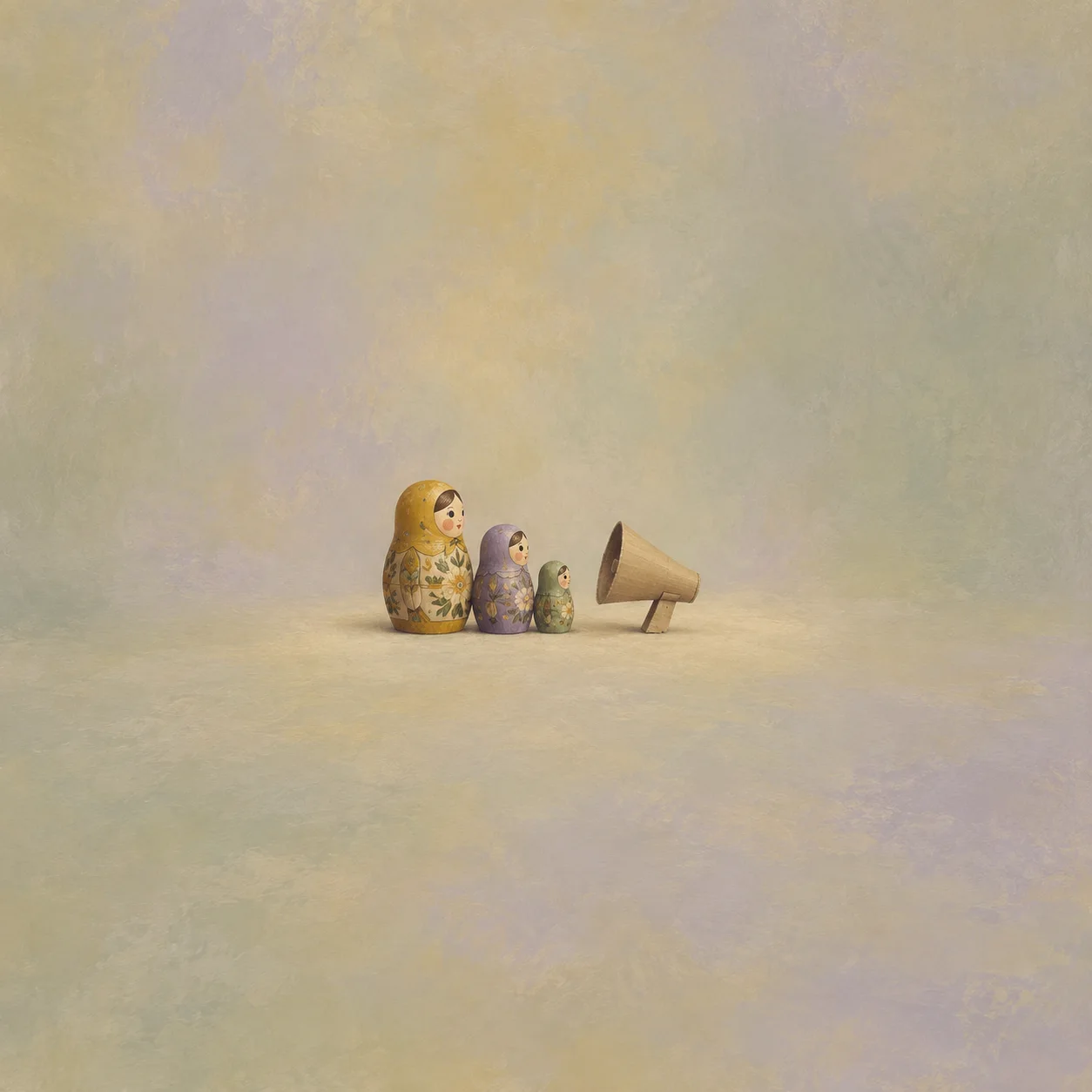
If Barbie's so popular, why do you have to buy her friends?
An editorial interpretation.
The question contrasts Barbie’s supposed popularity with friends that must be bought. It uses a commercial toy arrangement to tease the idea that popularity should produce freely chosen friendship.
Context reviewed

If the wind will not serve, take to the oars. Latin Proverb
An editorial interpretation.
The proverb advises using another means when the wind cannot move a boat. It turns a practical alternative into a broader encouragement to adapt. Latin Proverb is the retained attribution note.
Context reviewed

Only a fool tests the water with both feet. African proverb
An editorial interpretation.
The proverb warns against committing both feet before assessing uncertain water. Its practical comparison advocates caution without identifying an actual crossing. African proverb is the retained note.
Context reviewed

Hope for the best but prepare for the worst. English Proverb
An editorial interpretation.
The saying joins optimism about an outcome with readiness for an unfavourable one. It encourages holding both possibilities in mind without promising that preparation prevents every difficulty. The final line retains the proverb note.
Context reviewed

The first myth of management is that it exists. Heller's Law
An editorial interpretation.
The joke doubts the existence of management itself, exaggerating frustration with the idea that activity is actually being directed. Heller's Law is the retained attribution note.
Context reviewed

A lie well stuck to is as good as the truth. English proverbs
An editorial interpretation.
The saying claims that maintaining a lie can make it function like truth. That cynical claim concerns persistence in deception, rather than making the lie factually true. English proverbs is the retained attribution note.
Context reviewed

A ship on the beach is a lighthouse to the sea. Dutch Proverb
An editorial interpretation.
The saying imagines a stranded ship as a warning to others at sea. Its lighthouse comparison turns one misfortune into guidance, without authenticating a national origin. The final line retains the proverb label.
Context reviewed

A book is like a garden carried in the pocket. Chinese proverb
An editorial interpretation.
The book is compared to a portable garden, suggesting a compact source of variety, enjoyment or growth. The comparison is figurative; Chinese proverb is the retained attribution note.
Context reviewed

A man is not where he lives, but where he loves. Latin proverb
An editorial interpretation.
The proverb locates belonging in love rather than residence. The distinction is emotional and figurative, not a statement about someone's address. Latin proverb is the retained note.
Context reviewed

Fools look to tomorrow. Wise men use tonight. Scottish proverb
An editorial interpretation.
The proverb contrasts waiting for tomorrow with making use of the present evening. It values present action without declaring every future plan foolish. Scottish proverb is the retained note.
Context reviewed

Cyberspace is the funhouse mirror of our own society. 10-May-93
An editorial interpretation.
Cyberspace is compared to a funhouse mirror that reflects society with distortions. The final date is a retained note and does not establish who made the comparison.
Context reviewed

The nail that stands out will be hammered down. Japanese proverb
An editorial interpretation.
The proverb describes a conspicuous nail being forced into line. Its image can express pressure to conform rather than an instruction to punish difference. Japanese proverb is the retained note.
Context reviewed

Where love reigns the impossible may be attained. Indian Proverb
An editorial interpretation.
The proverb says love may make seemingly impossible things attainable. Its wording expresses possibility and hope rather than a guarantee. Indian Proverb is the retained note.
Context reviewed

Tell the truth, but keep one foot in the stirrup. Arabian proverb
An editorial interpretation.
The proverb combines honesty with readiness to depart if the truth has consequences. The foot in the stirrup makes that caution memorable; the final line retains the proverb label.
Context reviewed

Today is the tomorrow we worried about yesterday. Unknown source.
An editorial interpretation.
The line observes that yesterday's feared future has become the present. It invites perspective on anticipation without claiming worries are always groundless. Unknown source is the retained note.
Context reviewed

A country can be judged by the quality of its proverbs. German Proverb
An editorial interpretation.
The proverb proposes that the sayings a country preserves can reveal something about it. It offers a way of considering collective values rather than an objective ranking of nations. German Proverb is the retained note.
Context reviewed

To marry once is a duty, twice a folly, thrice is madness. Dutch Proverb
An editorial interpretation.
The proverb becomes increasingly hostile to repeated marriage, calling the first a duty and later ones folly or madness. The labels express a judgment rather than a diagnosis or universal rule. Dutch Proverb is the retained attribution note.
Context reviewed

What did your original face look like, before your parents met? Zen Koan
An editorial interpretation.
The question asks about an original identity before the conditions of one’s birth. It presents a contemplative paradox rather than requesting a photograph or claiming that a literal face existed then. Zen Koan is the retained note.
Context reviewed

It is better to light one candle than curse the darkness. Chinese proverb
An editorial interpretation.
The saying favours a small constructive act over complaining about a difficult situation. The candle and darkness form the comparison; Chinese proverb is the retained attribution note.
Context reviewed

If writing is so solitary, why are there so many people to thank? Shopgirl
An editorial interpretation.
The question points to a tension between writing alone and the many people a writer may thank. It suggests that solitary work can still depend on others. Shopgirl is the retained title note.
Context reviewed

The discipline of the written word punishes both stupidity and dishonesty.
An editorial interpretation.
Putting thoughts in writing exposes them: muddled thinking and dishonesty are hard to hide on the page and reveal themselves.
Context reviewed

Be happy while you're living, for you're a long time dead. Scottish Proverb
An editorial interpretation.
The proverb urges enjoyment of the time one is alive by contrasting it with the long finality of death. Scottish Proverb is the retained attribution note.
Context reviewed

How beautiful it is to do nothing, and then rest afterward. Spanish Proverb
An editorial interpretation.
The proverb celebrates doing nothing and then resting, extending leisure beyond the usual idea of recovery from work. Spanish Proverb is the retained attribution note.
Context reviewed

Be not afraid of growing slowly. Be afraid only of standing still. Chinese Proverb
An editorial interpretation.
The proverb values continued growth even when slow and warns against stagnation. Chinese Proverb is the retained attribution note.
Context reviewed

When all you have is a hammer, everything looks like a nail. saying (unknown origin)
An editorial interpretation.
A single familiar tool can narrow how someone sees every problem, making different things appear to require the same solution. The retained note explicitly leaves the saying’s origin unknown.
Context reviewed

At the end of the game, the king and the pawn go back in the same box. Italian Proverb
An editorial interpretation.
The proverb contrasts the king and pawn's different roles during a game with their shared destination afterwards. It suggests that rank becomes temporary when the game ends. Italian Proverb is the retained attribution note.
Context reviewed