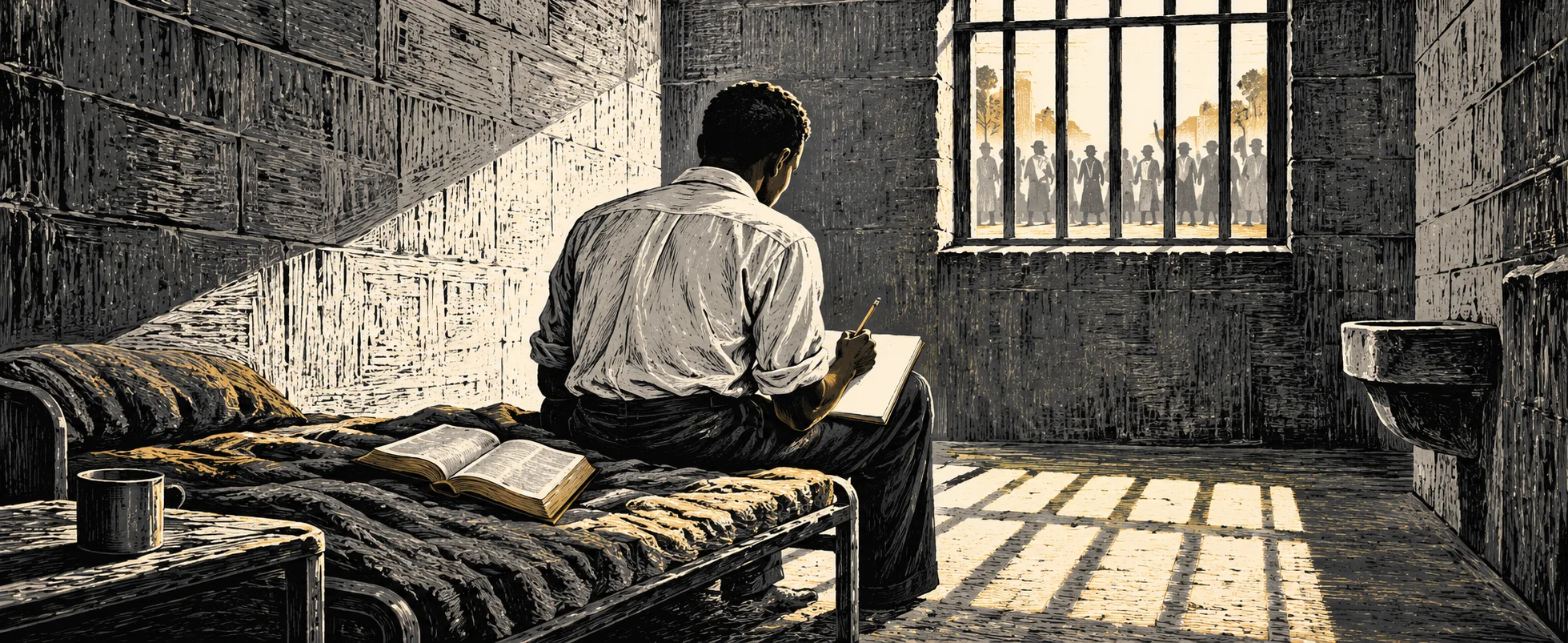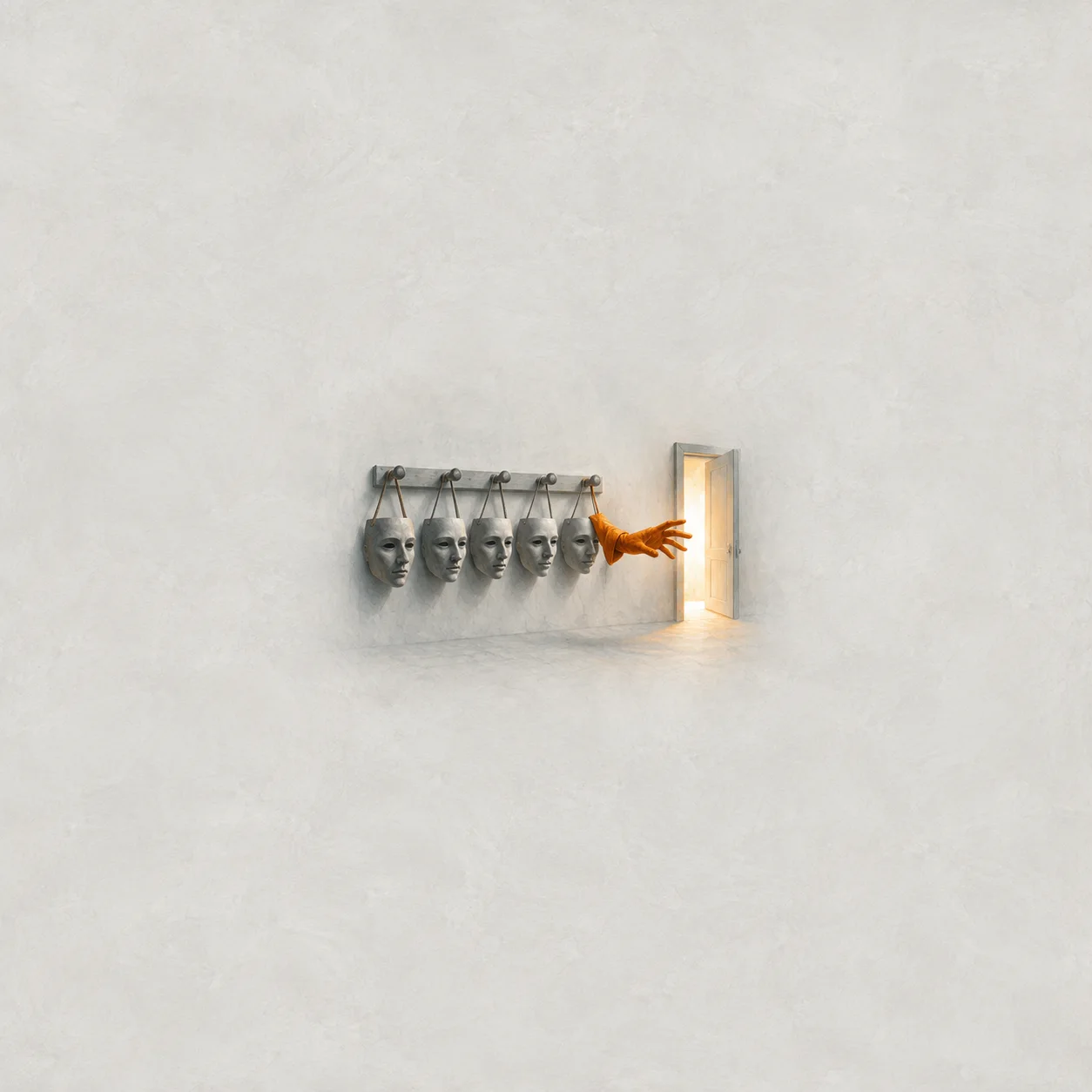
Original artwork, not a still
Strength to Love · 1963
The ultimate measure of a man is not where he stands in moments of comfort and convenience, but where he stands at times of challenge and controversy.
Behind the line
What it means
Our interpretation.
King turns courage into a test of character that comfort can never give you. Anyone can hold a good opinion when it costs nothing; the measure is what you do when it costs your standing. Because the sentence sounds like a motto, it is printed on classroom walls and quoted by leaders of every kind, often detached from the sermon on neighborly love that frames it.
Context reviewed
In context
Spoilers for Strength to LoveShow the scene
King delivers the thought in the third chapter of Strength to Love (1963), "On Being a Good Neighbor", one of the sermons collected in that book. The sentence is a turning point in his argument about what it takes to be a true neighbor: it is easy to stand firm when nothing is at stake, and the real test comes when standing firm costs something. The very next sentence says the true neighbor will risk position, prestige and even life for the welfare of others. The book was published by Harper & Row in 1963, the year of the March on Washington.
Sources (3)
- Wikiquote: Martin Luther King Jr.Strength to LoveReference checked
- Stanford King Institute: Strength to LoveChapter IIIReference checked
- Wikipedia: Strength to LoveOverviewReference checked
Context reviewed